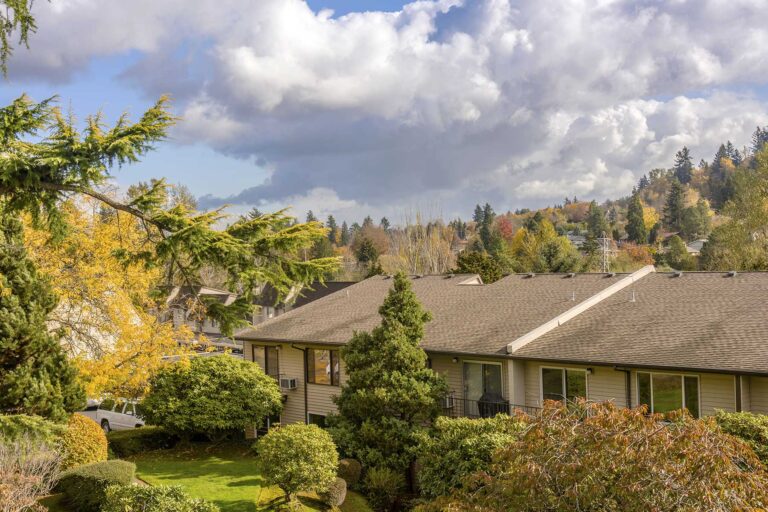
Understanding the Connection Between Landscaping and HVAC Efficiency
Your home’s heating and cooling system works tirelessly throughout the year to maintain comfortable indoor temperatures, but what if you could lighten that workload naturally? Strategic landscaping serves as your first line of defense against extreme temperatures, creating microclimates around your property that significantly reduce the strain on your HVAC system. When properly positioned, trees, shrubs, and other landscape features act as natural barriers against Portland’s seasonal weather patterns, from summer heat waves to winter wind storms.
The relationship between outdoor vegetation and indoor climate control operates on fundamental principles of shade creation, wind deflection, and temperature moderation. During summer months, mature deciduous trees positioned on your home’s south and west sides can reduce surrounding air temperatures by up to nine degrees Fahrenheit through evapotranspiration, the process where plants release moisture into the air. This natural cooling effect means your air conditioning system runs less frequently and for shorter cycles, extending equipment lifespan while reducing energy consumption by as much as 25 percent during peak cooling seasons.
Strategic Tree Placement for Maximum Energy Savings
The art of positioning trees for optimal HVAC efficiency requires understanding both solar patterns and Portland’s unique climate characteristics. Deciduous trees planted 15 to 20 feet from your home’s south-facing windows provide crucial summer shade while allowing warming winter sunlight to penetrate once leaves fall. These natural shade providers block up to 90 percent of solar radiation during growing seasons, preventing heat gain through windows and walls that would otherwise trigger your cooling system.
Eastern and western exposures benefit from slightly different approaches. Fast-growing shade trees like red maples or hybrid poplars positioned to block late afternoon sun can eliminate the most intense heat gain periods, particularly important for west-facing rooms that typically experience temperature spikes between 3 PM and 7 PM. At Comfort Zone Heating & Air Conditioning (OR), we regularly observe homes with mature shade trees requiring 15 to 20 percent less cooling capacity than comparable unshaded properties, translating directly into smaller, more efficient AC installations and lower monthly utility bills.
Creating Effective Windbreaks and Insulation Zones
Portland’s winter winds, particularly those channeling through the Columbia River Gorge, can strip heat from your home’s exterior surfaces, forcing heating systems to work overtime. Evergreen windbreaks positioned on your property’s north and northwest sides create dead air spaces that function as insulation buffers, reducing wind chill effects by up to 30 percent. Dense plantings of Douglas fir, western red cedar, or shore pine arranged in staggered rows provide maximum wind reduction while maintaining year-round effectiveness.
Foundation plantings offer another layer of thermal protection often overlooked by homeowners. Dense shrub plantings create insulating air pockets against your home’s foundation, moderating soil temperatures and reducing heat loss through basement walls and crawl spaces. This vegetation buffer proves particularly valuable for older Portland homes where foundation insulation may be minimal or degraded. Our experience installing and servicing thousands of heating systems throughout the greater Portland Metro area shows that homes with comprehensive foundation plantings typically maintain more stable indoor temperatures with less furnace cycling.
Implementing Your Landscape Strategy
Developing an energy-efficient landscape requires careful planning and patience, as most shade trees need five to ten years to provide substantial benefits. Start by conducting an energy audit to identify your home’s primary heat gain and loss areas. Consider these implementation strategies:
- Priority zones: Focus initial plantings on western and southwestern exposures where summer heat gain is most intense
- Species selection: Choose native or adapted species that thrive in Portland’s climate without excessive water requirements
- Spacing considerations: Allow adequate distance from foundations and underground utilities while maximizing shade coverage
- Maintenance planning: Select trees with minimal debris production to avoid clogging AC condenser units or roof gutters
- Growth patterns: Account for mature tree size to prevent future conflicts with power lines or structures
Professional HVAC systems work most efficiently when environmental factors support rather than challenge their operation. By reducing temperature extremes around your home’s envelope, strategic landscaping decreases the frequency and duration of heating and cooling cycles, minimizing wear on components and extending equipment life. This reduced workload means fewer service calls, lower repair costs, and delayed replacement needs, benefits we’ve witnessed firsthand through our extensive service work across Troutdale, Wood Village, Fairview, and surrounding communities.
Smart landscaping represents a long-term investment that compounds savings annually while enhancing property values and environmental sustainability. Combined with properly maintained HVAC equipment and good insulation practices, strategic plantings create comprehensive climate control solutions that benefit both your comfort and budget throughout every Portland season.